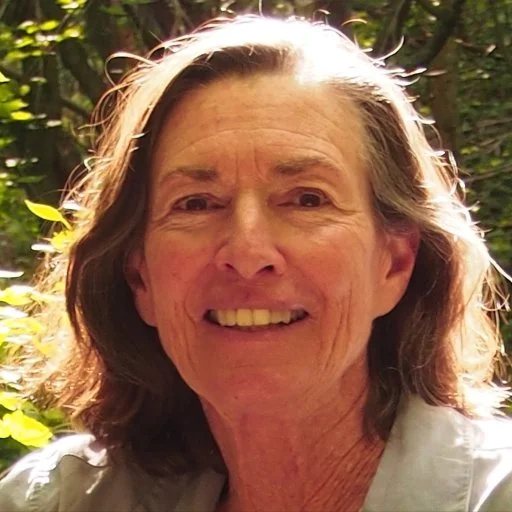
How Wendy got here
The moment that cracked things open for me wasn't a revelation — it was a collapse. I'd left everything behind in my thirties, sold my belongings, and gone to the Andes at 15,000 feet with a friend, a bag of dry oats, no money, and no Plan B. I was looking for a spiritual community I'd read about, certain I'd find it if I just followed guidance closely enough.
I didn't find it. I came back devastated, probably a little unhinged, and had to start writing my way through what had actually happened. That writing — and the listening that followed it — turned out to be the beginning of everything I now know.
I was in transpersonal psychology graduate school when I first encountered A Course in Miracles, and it created an immediate and uncomfortable divide in me. The course was pointing somewhere the curriculum wasn't, and I had to choose. I chose the course.
I've been working with it daily for over 40 years — not as a philosophy, but as a living framework I've tested against the hardest things that have actually happened to me. The hardest was cancer. I got the diagnosis while living alone in rural New Mexico, isolated, with almost no support network around me. What that experience gave me — beyond survival — was a working knowledge of how the mind either amplifies illness or helps dissolve it.
I made a list: reasons to live, reasons to die. The second column turned out to hold everything that actually needed attending to. I've used versions of that exercise with clients ever since.
I eventually stopped doing conventional therapy, not because the training wasn't real, but because I kept watching it address the emotion while leaving the thought that created it completely intact. What I do now is faster and more direct — I listen deeply for the first part of a session, watching for patterns, receiving images and impressions, and then I give what I see. I work with people navigating serious illness, identity collapse, unresolvable guilt, and the loss of hope.
I'm not here to manage symptoms. I'm here to help people find out what's actually running the show — and to see that they're more in charge of it than they've been told.
